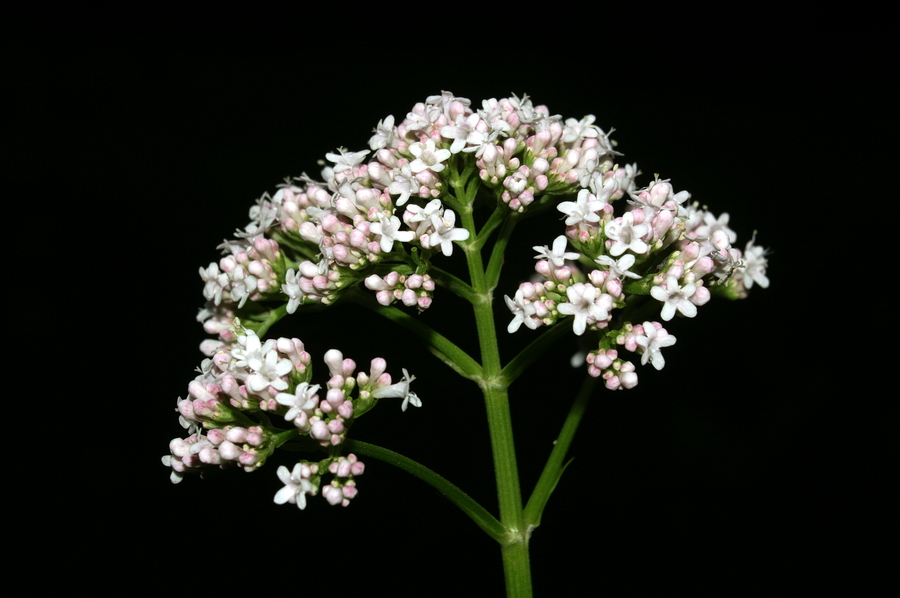
One of the best known and most popular herbs for sleep is valerian (Valeriana spp.) I never use it.
When I teach about sleep herbs, whether it’s to patients or colleagues, I always put valerian in the “herbs to watch out for” category.
Why? Because not all herbs work (well) for every body, and this is especially true for valerian. In fact, valerian actually worsens sleep for a surprising number of people.
sedative herbs are often problematic
If you’re really stuck in a cycle of bad sleep, just knocking yourself out can seem incredibly attractive. Historically people have used strong and addictive herbs like poppy and its derivatives. More recently, people turn to Cannabis products or alcohol. The latter actually worsens pretty much every important parameter of sleep. And Cannabis offers inconsistent results for many people.
Those examples perfectly encapsulate the issues with sedative herbs: they can become addictive, they don’t always work, and some can even harm sleep.
Beyond that, none of these get at the underlying causes of poor sleep. That’s why people start with one herb or supplement, and over time ramp up to six supplements they just can’t sleep without.
Why pick on valerian?
Maybe I’m too hard on this herb, which really does work well for many people.
But in my experience and that of my colleagues, a lot of people have paradoxical reactions to valerian — meaning it disturbs their sleep rather than improving it. Those folks can find themselves feeling agitated, wired and tired, or even scared and drugged. In some people it can exacerbate nightmares.
Here’s a video I made going over this:
=
Not only am I against giving people herbs that make them feel worse, I’m against giving people the false impression that herbal medicine is scary, dangerous or ineffective.
And part of the beauty of herbal medicine is that we have so many alternatives! There’s never only one herb that can help.
better alternatives
There are many approaches to improving sleep, herbaly and otherwise.
For example, if folks are chronically anxious, maybe we need to work on that first. Our herbal anxiolytics often overlap nicely with our sleep herbs, such as chamomile, lavender or skullcap.
Sometimes people need support for fried nerves, or adrenals that are overworking or overworked. This is where herbs like nettles, milky oats and ashwagandha come in.
Sometimes people need a sense of safety in order to sleep, a great opportunity to consider flower essences.
Or maybe they need some gentle muscle relaxation as part of winding down for bed. Epsom salt baths are a delicious way to wind down from any day.
When the above approaches don’t help, it’s tempting to turn to sedatives. But folks with chronic insomnia need more than just bandaids. And the first line treatment, as recommended by the American College of Physicians and the American Academy of Sleep Medicine, is cognitive behavioral therapy for insomnia (CBT-I).
what is cognitive behavioral therapy for insomnia?
I’ve written in depth about CBT-I here and here.
But the short version is this: CBT-I was developed by the U.S. Veterans Administration for their often complicated patient population. As the name suggests, It works by addressing thoughts and actions that interfere with sleep. It’s evidence based, drug free, and can offer significant and long-lasting relief from chronic insomnia.
As with most therapies, it works best if you do it with a person, either one on one or in a group. But there are apps (free) and books (inexpensive) that can guide you through the process.
Herbs are still a great starting point. But if insomnia persists or worsens, consider CBT-I. And if you want help with either, you can book an appointment with me here.